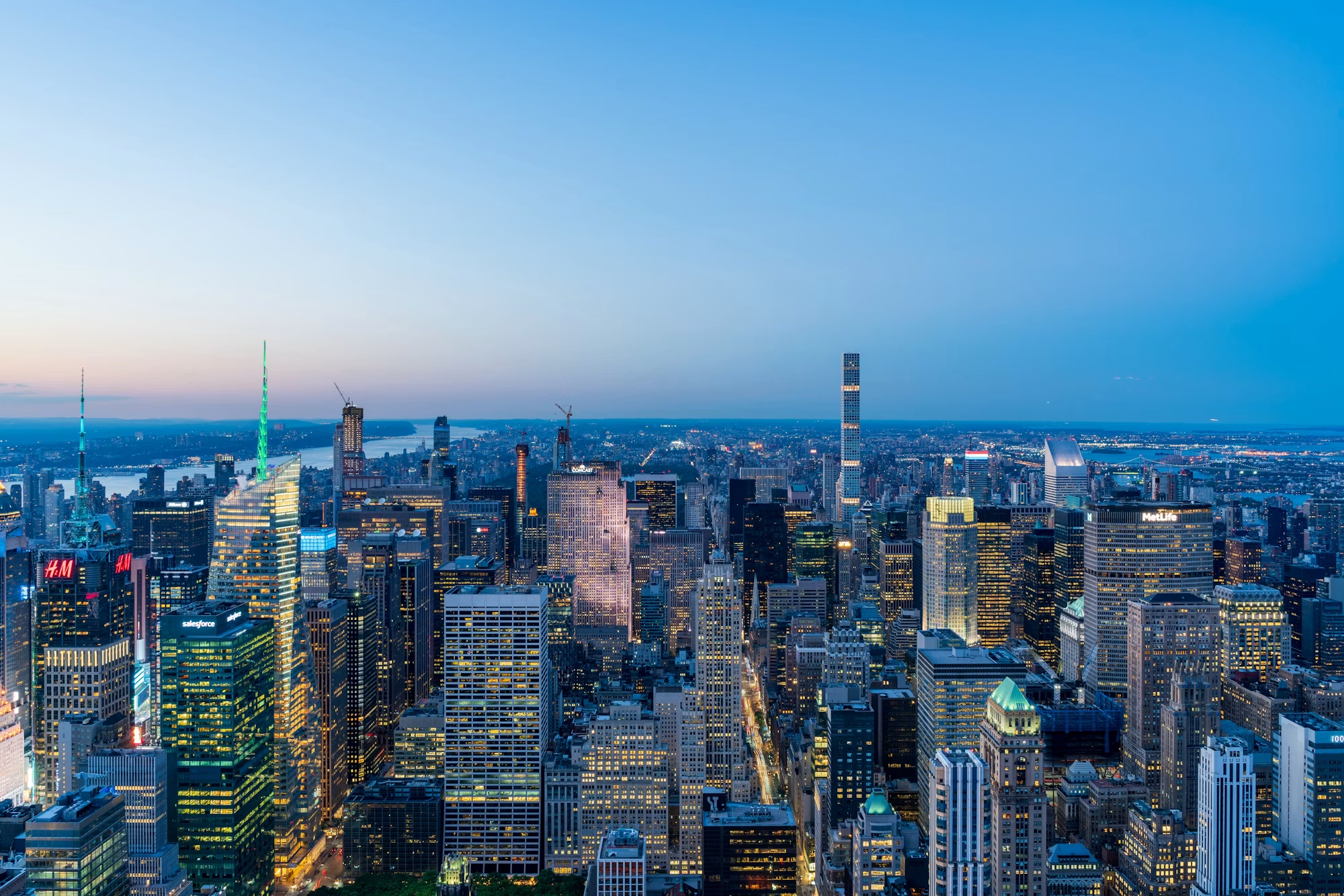
As urban environments continue to evolve, the real estate market faces unprecedented changes driven by a multitude of factors. From technological advancements to shifts in demographic preferences, understanding the trends shaping urban living is crucial for investors, developers, and city planners. This article delves into the key trends influencing the real estate market today and their implications for the future of urban living. One of the most significant trends is the increasing demand for sustainable and eco-friendly developments. As awareness of environmental issues grows, more buyers are seeking properties that reflect their values. This shift has prompted developers to prioritize green building practices, incorporating energy-efficient designs and sustainable materials into their projects. Cities like Vancouver and Copenhagen are leading the way in sustainable urban planning, with a focus on reducing carbon footprints and promoting green spaces. This commitment to sustainability not only benefits the environment but also enhances the quality of life for residents, making such developments highly attractive. Another critical trend is the rise of mixed-use developments, which combine residential, commercial, and recreational spaces in one location. This approach caters to the modern desire for convenience and accessibility, allowing residents to live, work, and play within their neighborhoods. Cities like New York and Los Angeles have seen a surge in these types of developments, transforming once-segregated areas into vibrant communities. By fostering a sense of belonging and reducing the need for long commutes, mixed-use developments contribute to the overall livability of urban areas. The impact of technology on real estate cannot be overstated. Smart home technologies and automation are increasingly popular among buyers, enhancing convenience and security. Features such as smart thermostats, security systems, and energy-efficient appliances are now standard in many new developments. Additionally, technology is transforming the way properties are bought and sold, with virtual tours and online platforms making it easier for buyers to explore options without physically visiting locations. This digital shift is not only streamlining the buying process but also expanding the market reach for developers and agents. The concept of remote work has gained immense traction in recent years, further influencing urban living. As more companies adopt flexible work arrangements, individuals are reevaluating their living situations. Many are moving away from densely populated city centers in favor of suburban or rural areas that offer more space and a higher quality of life. This trend is reshaping the real estate landscape, leading to increased demand for properties in less urbanized areas. Developers are responding by creating communities that blend the tranquility of rural living with modern amenities, appealing to remote workers seeking balance. The aging population is another demographic factor impacting the real estate market. As baby boomers reach retirement age, there is a growing demand for housing that caters to their needs. This includes accessible single-story homes, active adult communities, and properties that offer proximity to healthcare facilities and social activities. Developers are increasingly focusing on creating age-friendly environments that promote health, well-being, and social engagement for older adults. Furthermore, the rise of the sharing economy is reshaping property ownership and usage. Platforms like Airbnb have transformed how people approach short-term rentals, impacting traditional real estate models. Property owners can now generate income by renting out their homes or investment properties, while travelers benefit from diverse lodging options. This trend has prompted local governments to implement regulations to balance the interests of residents, tourists, and the local economy. The significance of community and social interaction has become more pronounced in urban living. People are seeking neighborhoods that foster connections, provide shared spaces, and encourage engagement. Developers are responding by incorporating communal areas, parks, and recreational facilities into their projects, creating environments where residents can socialize and connect with one another. This trend aligns with the growing desire for a sense of belonging and community in an increasingly digital world. Transportation infrastructure also plays a crucial role in shaping urban living and real estate. As cities invest in public transportation and alternative mobility options, such as bike lanes and pedestrian-friendly designs, the appeal of urban living is enhanced. Properties located near efficient transport networks are more desirable, as residents value easy access to work, entertainment, and services. The integration of transportation and urban planning will continue to influence real estate development in the coming years. Additionally, the importance of health and wellness in urban design is gaining traction. Developers are recognizing the demand for properties that prioritize well-being, incorporating features such as fitness centers, walking paths, and access to nature. The focus on health extends beyond individual amenities; it encompasses the overall design of neighborhoods that promote active lifestyles and mental well-being. As cities adapt to changing societal needs, the role of technology in real estate will expand further. Virtual reality, augmented reality, and data analytics will revolutionize the property search and development processes. Buyers will increasingly expect immersive experiences, allowing them to envision their future homes before making a decision. Meanwhile, developers will leverage data to identify trends, optimize designs, and enhance the overall customer experience. The future of urban living will also see a rise in adaptive reuse projects, where existing buildings are transformed for new purposes. This approach preserves historical architecture while meeting contemporary needs, creating unique spaces that resonate with communities. Examples include converting warehouses into residential lofts or repurposing old factories into mixed-use developments. Adaptive reuse not only promotes sustainability by minimizing waste but also contributes to the character of neighborhoods. In conclusion, the future of urban living is being shaped by a multitude of trends that reflect changing preferences, technological advancements, and societal needs. From sustainable developments and mixed-use spaces to the impact of remote work and community engagement, the real estate market is undergoing a significant transformation. As cities evolve, stakeholders must stay attuned to these trends to create vibrant, livable environments that meet the demands of modern residents.